50+ Fruits Names with Pictures, Calories & Benefits (Simple Guide)

Try our fruit generator tool
Adding more fruits to your daily routine doesn’t have to be complicated. Whether you’re looking to boost your energy, improve digestion, or simply eat healthier, fruits are nature’s perfect snack.
This guide walks you through over 50 different fruits, their calorie counts, and what makes each one special. You’ll learn which fruits work best for your body, how to pick them fresh, and smart ways to include them in your meals.
If you enjoy discovering new things, you can also explore our random generator to find different tools and ideas in one place.
Let’s explore the colorful world of fruits together.
Quick Fruit Guide (Names, Calories & Benefits at a Glance)
Need a quick overview? Here’s what you should know about fruits:
- Fruits hydrate your body, provide natural energy, and support digestion
- Calorie content varies widely, from strawberries (32 kcal per 100g) to dates (282 kcal per 100g)
- Eating different colored fruits gives you different nutrients and health benefits
- Most nutrition experts suggest eating 2-3 servings of fruit daily
- Fresh fruits offer more fiber than juices, which is important for your gut health
Keep reading to find the best fruits for your lifestyle and goals.
50+ Fruits Names with Pictures, Calories and Uses
Fruits come in hundreds of varieties, each with unique benefits. Below is a comprehensive list organized by type, with calorie counts and key benefits for each.
Common Fruits You Eat Daily
These are the fruits you probably already have in your kitchen or can grab at any grocery store.
Apple
- Calories: 52 kcal per 100g
- Benefit: Supports digestion, promotes heart health, and provides steady energy

Banana
- Calories: 89 kcal per 100g
- Benefit: Rich in potassium, aids muscle function, and gives quick energy

Orange
- Calories: 47 kcal per 100g
- Benefit: High in vitamin C, boosts immunity, and helps iron absorption

Mango
- Calories: 60 kcal per 100g
- Benefit: Loaded with antioxidants, supports eye health, and aids digestion

Watermelon
- Calories: 30 kcal per 100g
- Benefit: 92% water content, perfect for hydration, supports heart health

Grapes
- Calories: 67 kcal per 100g
- Benefit: Contains resveratrol for heart health, supports brain function

Pineapple
- Calories: 50 kcal per 100g
- Benefit: Rich in bromelain enzyme, aids digestion, reduces inflammation

Peach
- Calories: 39 kcal per 100g
- Benefit: Supports skin health, aids digestion, improves bone strength

Pear
- Calories: 57 kcal per 100g
- Benefit: High in fiber, supports digestive health, regulates blood sugar

Papaya
- Calories: 43 kcal per 100g
- Benefit: Contains papain enzyme for digestion, boosts immunity

Kiwi
- Calories: 61 kcal per 100g
- Benefit: Excellent vitamin C source, aids digestion, improves sleep quality

Plum
- Calories: 46 kcal per 100g
- Benefit: Promotes healthy digestion, rich in antioxidants

Cherry
- Calories: 63 kcal per 100g
- Benefit: Reduces inflammation, improves sleep, supports heart health

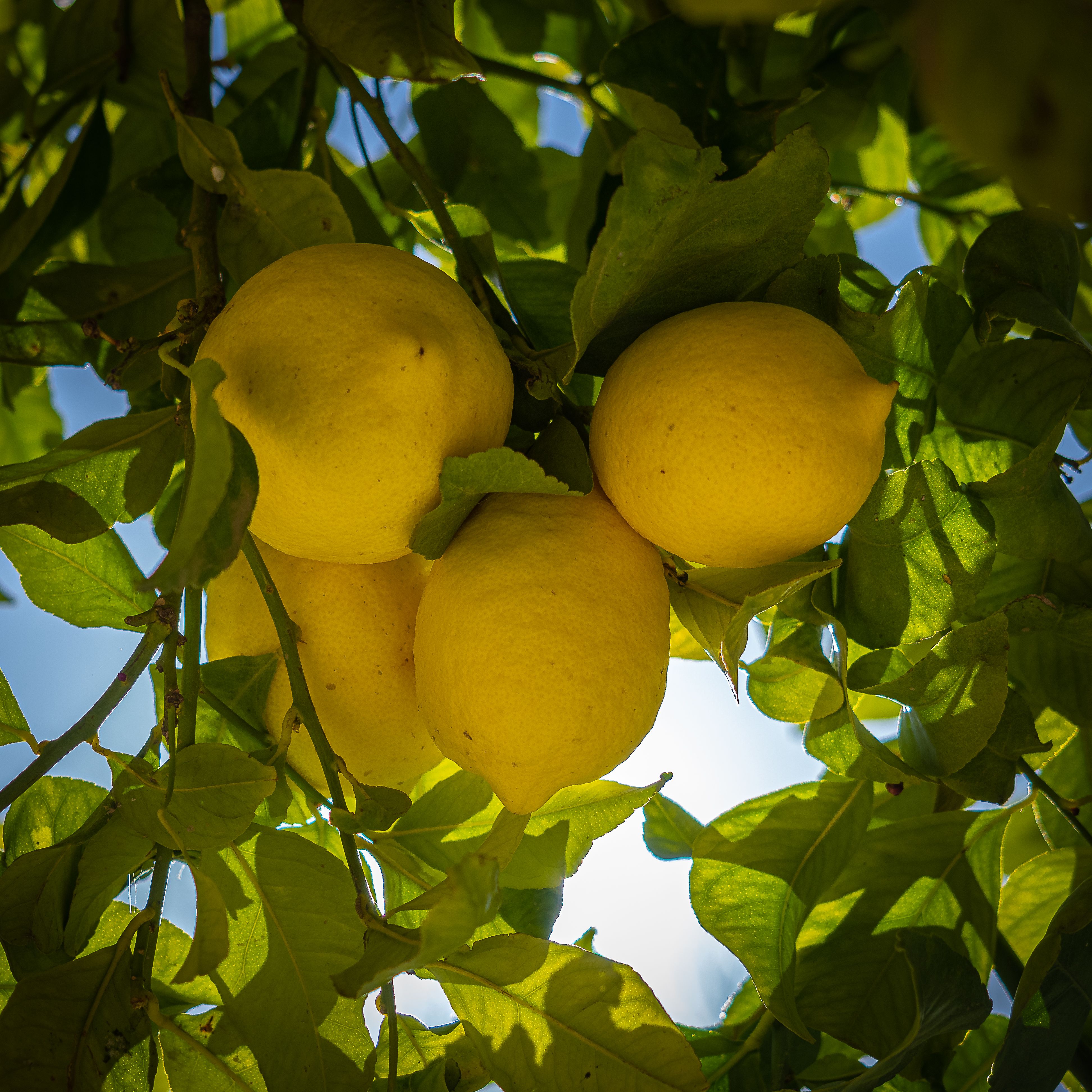
Lemon
- Calories: 29 kcal per 100g
- Benefit: Aids digestion, detoxifies, boosts immunity
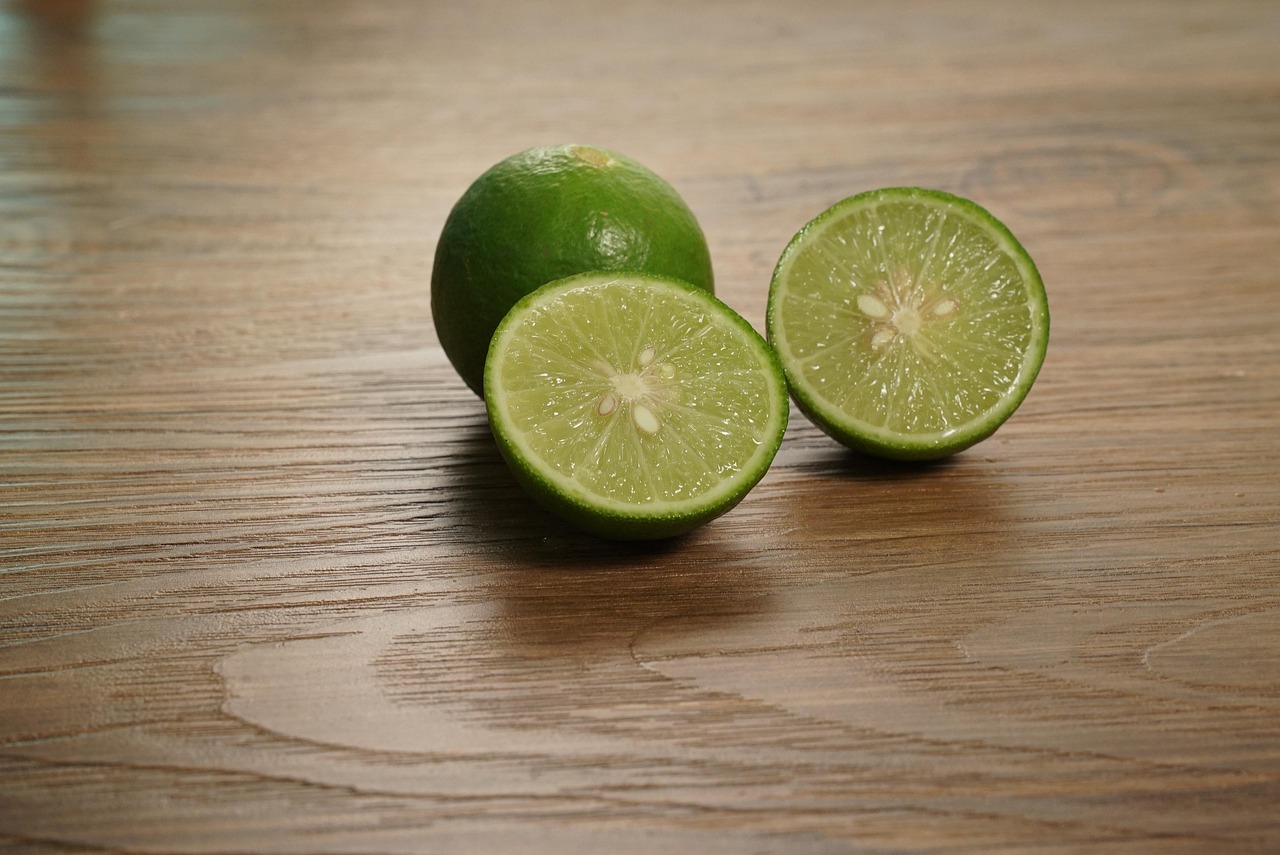
Lime
- Calories: 30 kcal per 100g
- Benefit: Supports vitamin C intake, aids iron absorption
Tropical and Exotic Fruits
These fruits thrive in warm climates and bring exciting flavors to your plate.
Coconut
- Calories: 354 kcal per 100g (dry)
- Benefit: Rich in healthy fats, supports brain function, hydrating

Passion Fruit
- Calories: 97 kcal per 100g
- Benefit: High in antioxidants, improves digestion, supports sleep

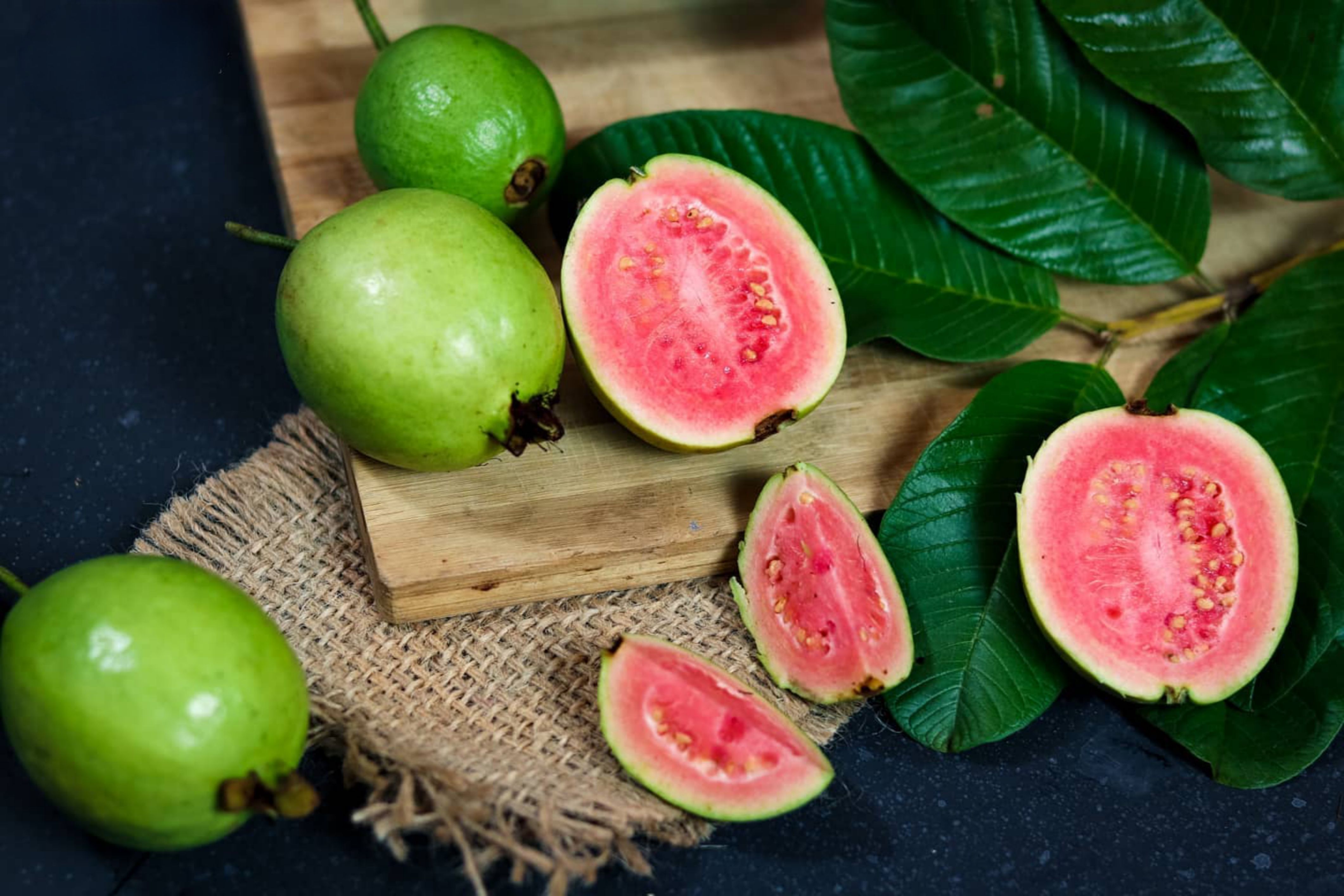
Guava
- Calories: 68 kcal per 100g
- Benefit: More vitamin C than oranges, supports digestion and immunity
Mango (Alphonso)
- Calories: 60 kcal per 100g
- Benefit: King of fruits, rich nutrients, supports skin and eye health

Dragon Fruit
- Calories: 60 kcal per 100g
- Benefit: Low sugar, high fiber, supports gut health and hydration

Avocado
- Calories: 160 kcal per 100g
- Benefit: Rich in healthy fats, supports heart and brain health

Lychee
- Calories: 66 kcal per 100g
- Benefit: High in vitamin C, boosts immunity, improves skin

Rambutan
- Calories: 82 kcal per 100g
- Benefit: Similar benefits to lychee, supports digestion

Mangosteen
- Calories: 73 kcal per 100g
- Benefit: Loaded with antioxidants, reduces inflammation

Star Fruit
- Calories: 43 kcal per 100g
- Benefit: Contains papain enzyme for digestion, boosts immunity

Jackfruit
- Calories: 95 kcal per 100g
- Benefit: High in vitamin C, supports immunity, provides sustained energy

Soursop
- Calories: 66 kcal per 100g
- Benefit: Rich nutrients, supports immunity, may have anti-inflammatory properties

Banana (Red Banana)
- Calories: 92 kcal per 100g
- Benefit: Higher in antioxidants, creamier texture, same energy benefits

Acai Berry
- Calories: 70 kcal per 100g
- Benefit: Packed with antioxidants, supports heart health

Cherimoya
- Calories: 76 kcal per 100g
- Benefit: Creamy texture, supports digestion, rich in vitamins

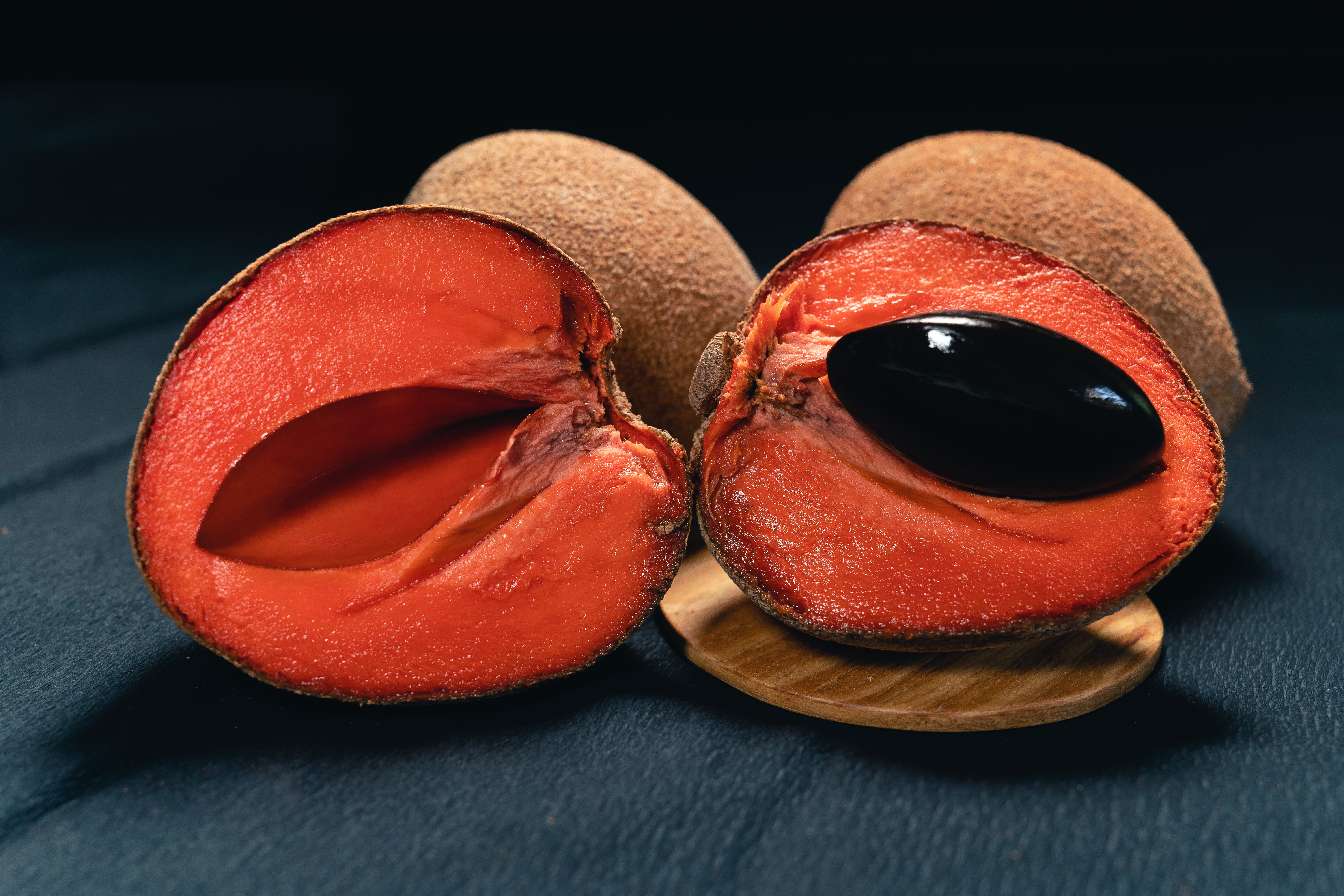
Sapodilla (Chikoo)
- Calories: 83 kcal per 100g
- Benefit: Provides natural energy, supports digestion, and rich in fiber
Tamarind
- Calories: 239 kcal per 100g
- Benefit: Aids digestion, detoxifying, supports liver health

Durian
- Calories: 147 kcal per 100g
- Benefit: King of fruits in Asia, rich in healthy fats and nutrients

Berries and Stone Fruits
Berries are nutritional powerhouses, while stone fruits offer unique textures and flavors.
Strawberry
- Calories: 32 kcal per 100g
- Benefit: Low calorie, high in vitamin C, supports heart health

Blueberry
- Calories: 57 kcal per 100g
- Benefit: Brain-boosting antioxidants, supports memory and focus

Raspberry
- Calories: 52 kcal per 100g
- Benefit: High fiber, supports digestion, excellent for weight management

Blackberry
- Calories: 43 kcal per 100g
- Benefit: Rich in antioxidants, supports immune system

Cranberry
- Calories: 46 kcal per 100g
- Benefit: Supports urinary health, rich in antioxidants

Apricot
- Calories: 48 kcal per 100g
- Benefit: Rich in beta-carotene, supports eye and skin health

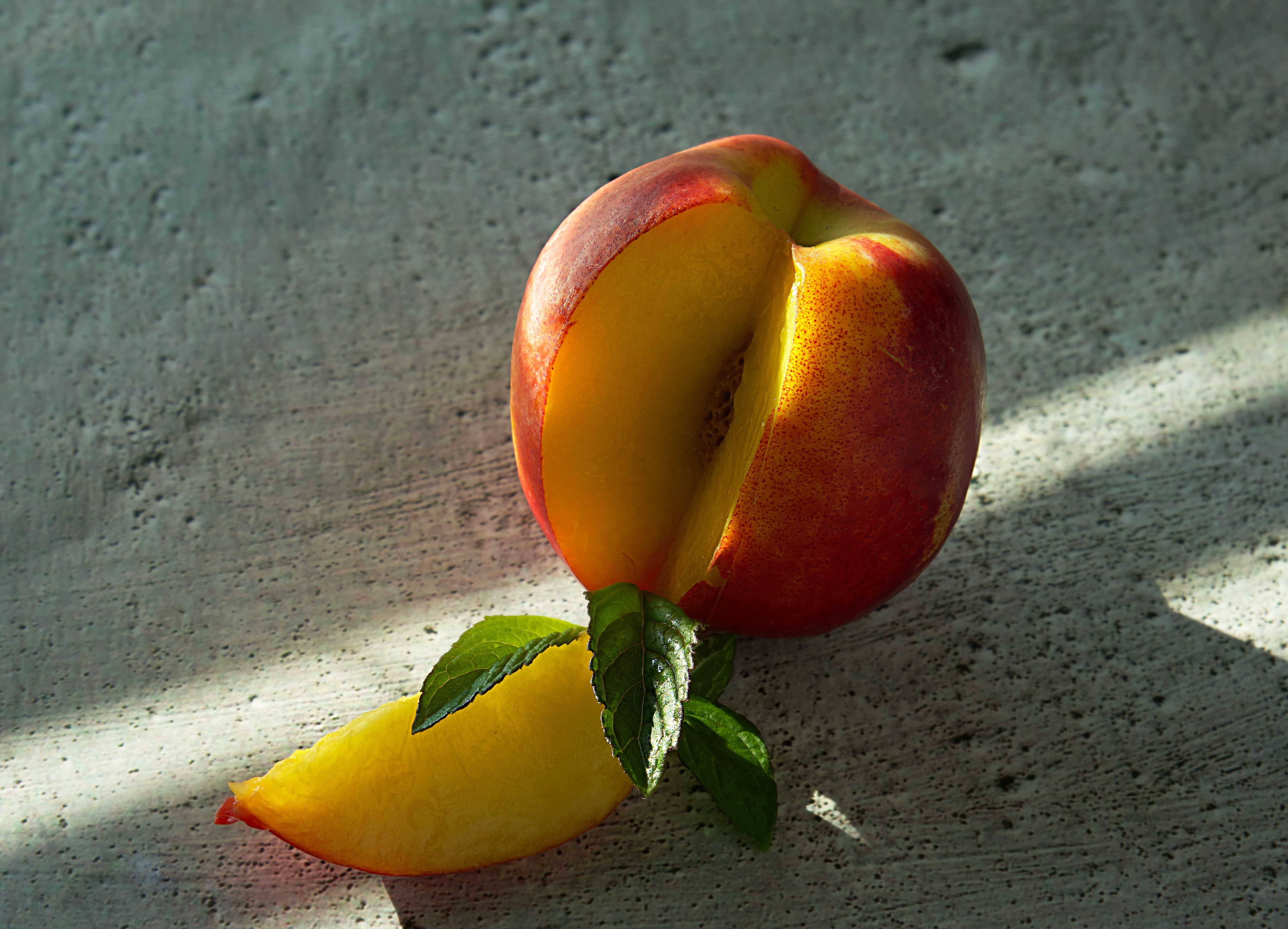
Nectarine
- Calories: 82 kcal per 100g
- Benefit: Similar benefits to lychee, supports digestion
Mulberry
- Calories: 43 kcal per 100g
- Benefit: Supports blood sugar control, aids digestion

Gooseberry
- Calories: 44 kcal per 100g
- Benefit: Boosts immunity, supports digestion, aids weight loss

Blackcurrant
- Calories: 63 kcal per 100g
- Benefit: High in vitamin C, supports immunity and skin health

Date (Medjool)
- Calories: 282 kcal per 100g
- Benefit: Natural sweetness, provides quick energy, supports bone health

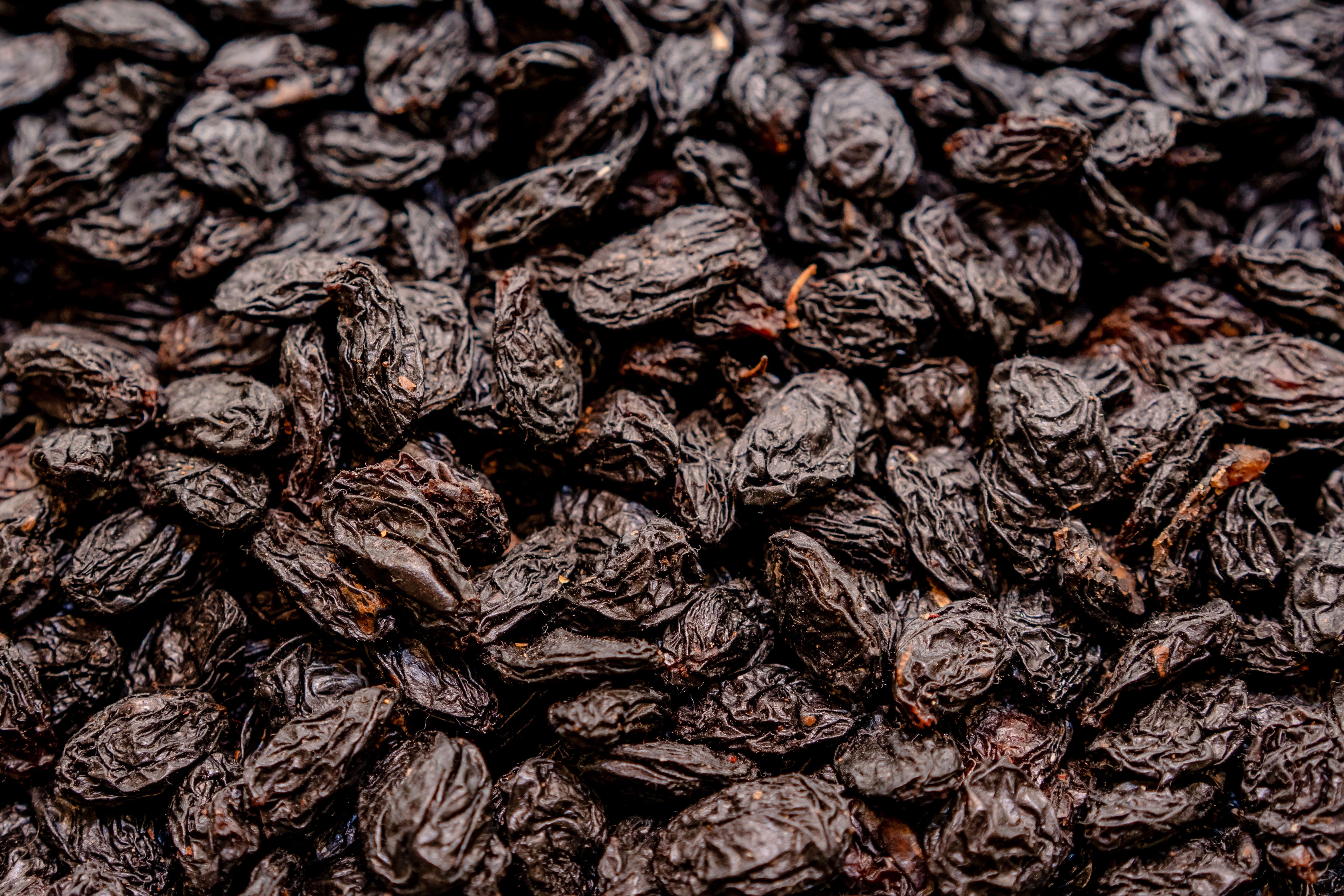
Prune (Dried Plum)
- Calories: 240 kcal per 100g
- Benefit: Promotes digestion, supports bone health
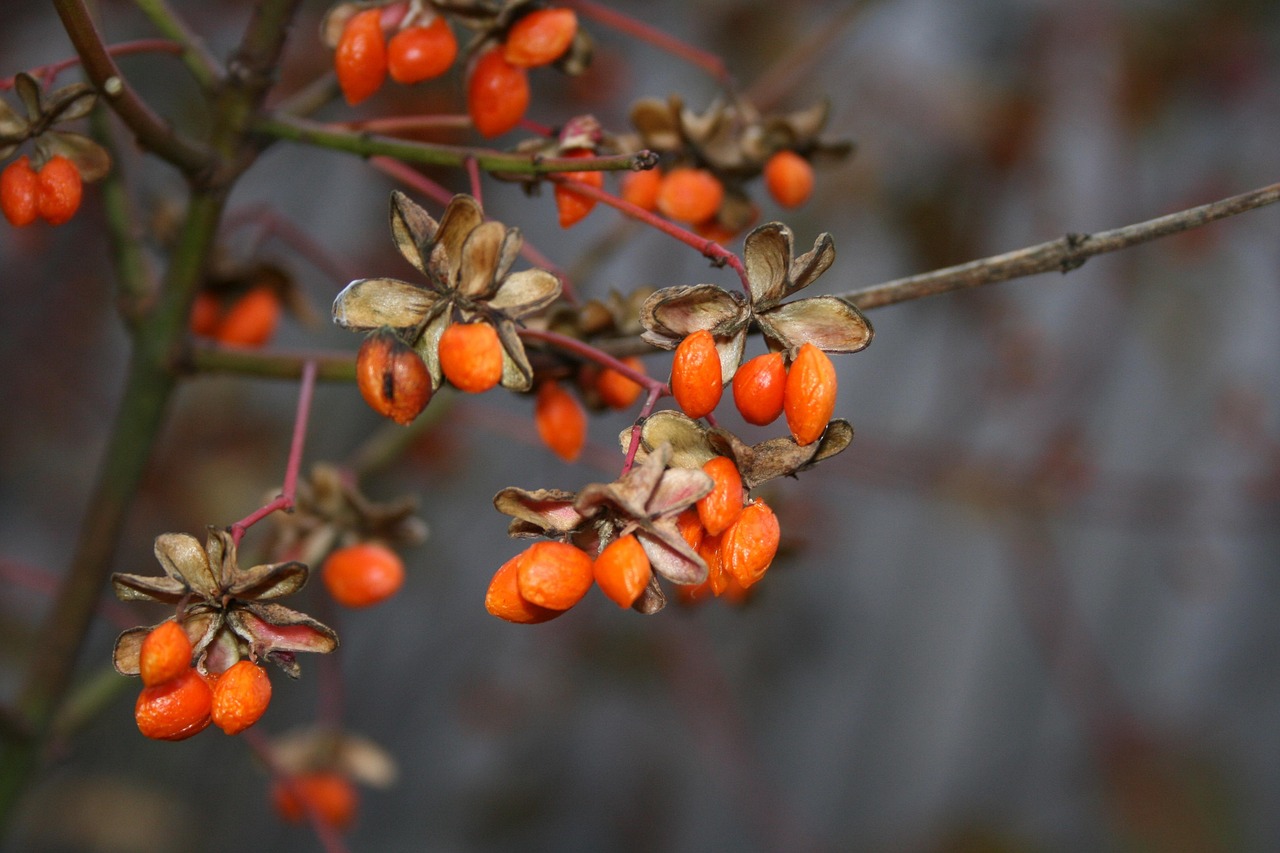
Goji Berry
- Calories: 368 kcal per 100g (dried)
- Benefit: Boosts immunity, supports eye health, aids energy
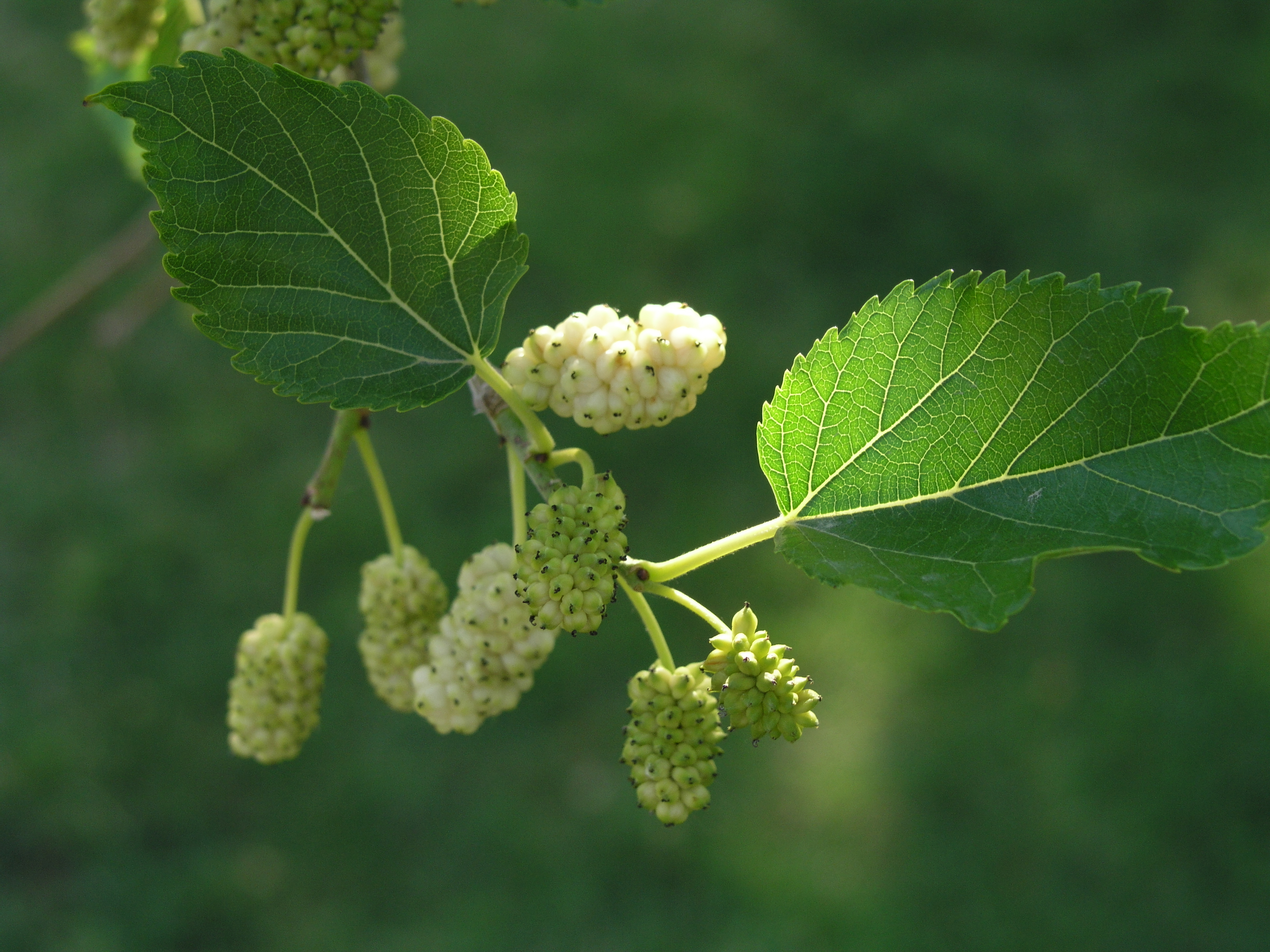
White Mulberry
- Calories: 43 kcal per 100g
- Benefit: Supports blood sugar, aids digestion naturally
Pomegranate
- Calories: 83 kcal per 100g
- Benefit: Rich in antioxidants, supports heart health and improves blood circulation

Fig
- Calories: 74 kcal per 100g
- Benefit: High in fiber, supports digestion and bone health

Persimmon
- Calories: 70 kcal per 100g
- Benefit: Supports immunity, rich in vitamins, and promotes eye health

Fruit Calories and Nutrition Made Simple
Understanding calories and nutrition in fruits helps you make better choices for your health goals.
What Calories in Fruits Actually Mean
Calories measure energy. When nutrition experts talk about fruit calories, they’re describing how much energy your body gets from eating that fruit.
The good news? Fruit calories come with fiber, water, and nutrients. This is completely different from empty calories in processed foods. A 100-calorie apple keeps you full longer than 100 calories of candy because of its fiber content.
Most fruits have low calorie density, meaning you get a large portion without many calories. For example, watermelon is 30 calories per 100 grams, while dates are 282 calories per 100 grams. Both are fruits, but they serve different purposes in your diet.
Don’t obsess over fruit calories. Focus on eating whole fruits instead of fruit juice, which removes fiber and concentrates sugar content.
High Fiber Fruits for Daily Health
Fiber is essential for digestive health. It feeds the good bacteria in your gut and keeps your digestion running smoothly.
Research shows high-fiber fruits improve digestion, help maintain healthy weight, and support heart health. Here are the best sources:
- Raspberries: 8g fiber per 100g
- Blackberries: 5g fiber per 100g
- Pears: 3.1g fiber per 100g
- Avocados: 6.7g fiber per 100g
- Passion fruit: 10.4g fiber per 100g
- Guava: 5.4g fiber per 100g
- Prunes: 7.1g fiber per 100g
- Kiwi: 3g fiber per 100g
Eating just one high-fiber fruit daily makes a real difference in how your body feels. Health experts recommend combining different fiber sources throughout your day for best results.
Low Sugar Fruits for Balanced Eating
If you’re watching your sugar intake, some fruits are better choices than others.
Low-sugar fruits keep your blood sugar stable and prevent energy crashes. These fruits still offer amazing nutrients without the sugar spike:
- Watermelon: 9g sugar per 100g
- Strawberry: 7g sugar per 100g
- Cantaloupe: 8g sugar per 100g
- Peach: 9g sugar per 100g
- Grapefruit: 9g sugar per 100g
- Kiwi: 6g sugar per 100g
- Raspberries: 5.4g sugar per 100g
- Blackberries: 4.9g sugar per 100g
Pairing low-sugar fruits with protein (nuts, yogurt, or cheese) further slows sugar absorption. This combination keeps you satisfied for hours.
What Fruit Colors Say About Their Benefits
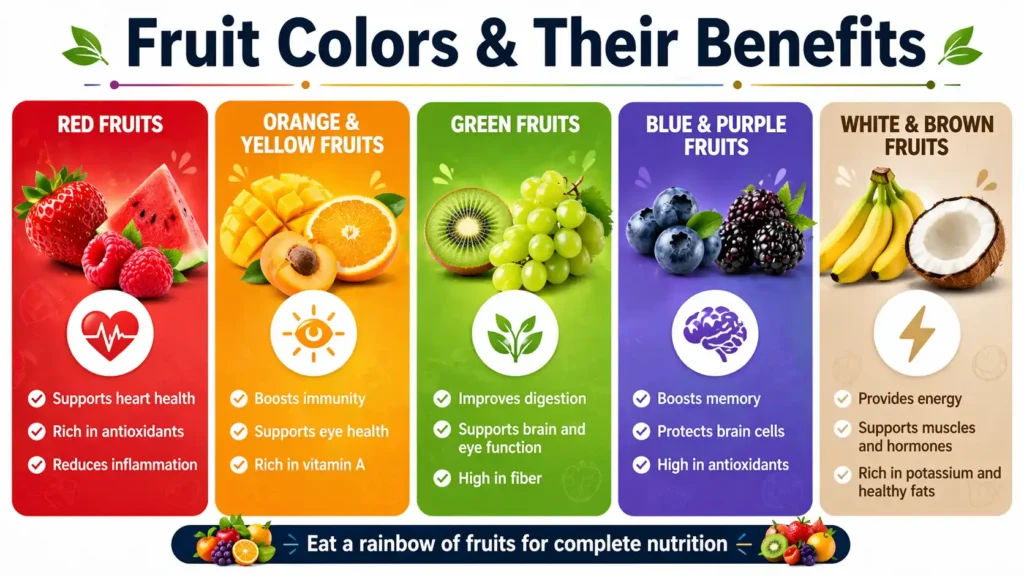
Different colored fruits contain different nutrients. Eating a rainbow of fruits ensures you get a complete nutritional profile.
Red fruits like strawberries, watermelon, and raspberries contain lycopene and anthocyanins. These powerful antioxidants support heart health and reduce inflammation. They’re especially good for cardiovascular protection.
Orange and yellow fruits like mangoes, apricots, and oranges are rich in beta-carotene, which your body converts to vitamin A. This supports eye health, skin quality, and immunity. These fruits give you natural energy and brightness.
Green fruits like kiwis and green grapes contain lutein and zeaxanthin. These nutrients protect your eyes and support brain function. Green fruits are often high in fiber too, making them excellent for digestion.
Purple and blue fruits like blueberries and blackberries contain resveratrol and anthocyanins. Research shows these antioxidants protect brain cells and improve memory. They’re sometimes called nature’s brain food.
White and brown fruits like bananas and coconuts provide different types of nutrients. Bananas offer potassium for muscle function, while coconuts provide healthy fats for brain and hormone health.
Include at least three different colored fruits in your weekly diet. This simple habit ensures complete nutrition.
What Each Fruit Does in Your Body
Different fruits provide different benefits. Understanding what each fruit does helps you choose the right one for your needs.
Fruits That Hydrate Your Body
Water content matters, especially in hot weather or after exercise. These fruits are your hydration superstars:
- Watermelon: 92% water, instantly rehydrates, prevents dehydration
- Cantaloupe: 90% water, provides electrolytes for recovery
- Strawberry: 91% water, refreshing and hydrating
- Grapefruit: 88% water, supports metabolic health
- Peach: 89% water, gentle on digestion
- Pineapple: 87% water, plus hydrating electrolytes
Eating these fruits before workouts or on hot days keeps your body hydrated. They’re better than water alone because they also provide minerals your body loses through sweat.
Fruits That Support Digestion
A healthy digestive system starts with eating the right foods. These fruits contain enzymes and fiber that actively help your digestion:
- Papaya: Contains papain enzyme that breaks down proteins naturally
- Pineapple: Bromelain enzyme reduces inflammation in the gut
- Kiwi: Actinidin enzyme aids protein digestion smoothly
- Pear: High fiber supports regular bowel movements
- Plum: Promotes digestive movement without discomfort
- Apple: Pectin fiber feeds good gut bacteria
Eating one of these fruits after meals helps your body digest food more efficiently. Health experts recommend papaya or pineapple after heavy meals for best results.
Fruits That Give Quick Energy
Sometimes you need fast, reliable energy. These fruits provide quick carbohydrates and natural sugars your body uses immediately:
- Banana: Loaded with glucose, fructose, and sucrose for rapid energy
- Mango: Natural sugars plus B vitamins for sustained energy
- Dates: Concentrated carbohydrates for athletes and active people
- Grapes: Quick sugar absorption, perfect before workouts
- Orange: Vitamin C plus natural sugars for energy and immunity
- Watermelon: Low-calorie quick energy for active days
Eat these fruits 30 minutes before exercise or when you feel an energy dip. They work faster than other foods because the natural sugars require minimal digestion.
Different Types of Fruits You Should Know
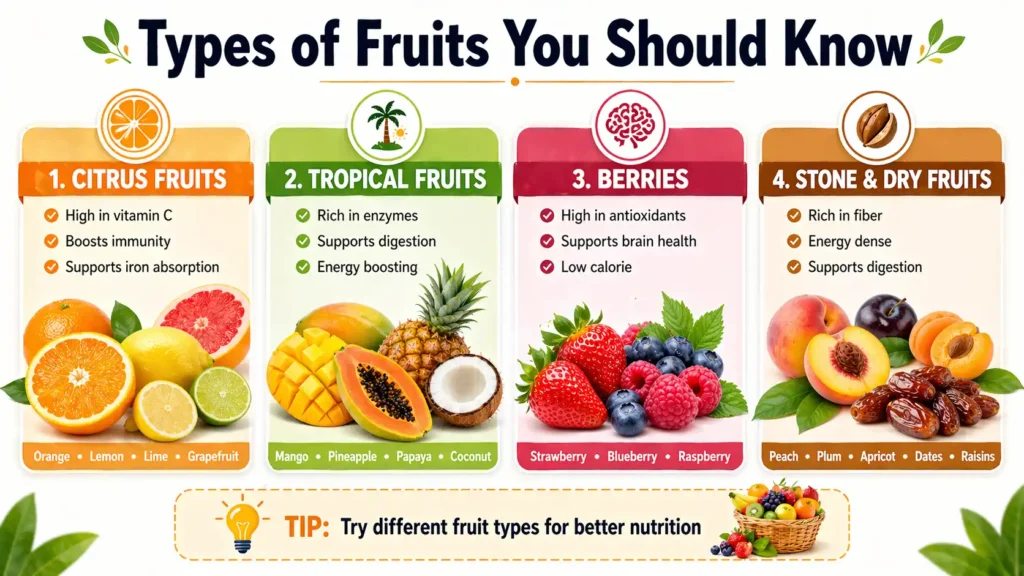
Fruits fall into several categories based on how they grow and their characteristics. Understanding these categories helps you appreciate fruit diversity.
Citrus Fruits
Citrus fruits grow on trees and have thick, protective peels. They’re famous for vitamin C content and tangy flavors.
Common citrus fruits include oranges, lemons, limes, grapefruits, and tangerines. Each has a slightly different flavor profile and nutritional focus. Oranges are sweet and energizing, while lemons are tart and detoxifying. Grapefruits support metabolism, and limes aid iron absorption.
Citrus fruits store well and last longer than other fruits. Keep them in cool places and they’ll stay fresh for weeks. One interesting fact: vitamin C content in citrus is highest when the fruit is fully ripe.
Tropical Fruits
Tropical fruits thrive in warm, humid climates near the equator. They include mangoes, pineapples, papayas, coconuts, and passion fruits.
These fruits often have exotic flavors and unique textures. Many contain digestive enzymes that benefit your stomach. Tropical fruits are increasingly available in regular grocery stores, making them accessible year-round.
Research shows many tropical fruits contain compounds that reduce inflammation and support immune function. They’re perfect for adding exciting flavors to smoothies and desserts.
Berries
Berries are small, seed-containing fruits packed with antioxidants. Strawberries, blueberries, raspberries, and blackberries are the most popular varieties.
Berries have the highest antioxidant content of any fruit. One study found that blueberries improve memory in both young and older adults. Berries are nature’s superfoods in tiny packages.
Most berries have short shelf lives, so buy them when you plan to eat them within a few days. Frozen berries retain their nutrients and last longer without losing benefits.
Stone Fruits and Dry Fruits
Stone fruits have a hard pit in the center. Peaches, plums, apricots, and nectarines are common stone fruits. They’re juicy, flavorful, and perfect for summer months.
Dry fruits are fresh fruits with water removed. Dates, prunes, raisins, and dried apricots are examples. Drying concentrates nutrients and sugars, making them energy-dense. They’re perfect for snacking or adding to breakfast cereals.
Dry fruits last months without refrigeration. However, they’re higher in sugar and calories than fresh versions, so portion control matters when eating them regularly.
How to Use Fruits in Daily Life
Knowing how to include fruits in your routine makes it easier to eat them consistently.
Fruits as Quick Snacks
Fruits are nature’s perfect portable snack. They require minimal preparation and pack serious nutrition.
Grab an apple, banana, or orange when you’re leaving home. Pack berries in a container for afternoon snacks at work. Slice melon into cubes and eat with a fork. Keep dried fruits at your desk for quick energy without mess.
The beauty of fruit snacking is zero preparation guilt. You’re getting whole nutrition without processing or cooking. Pair your fruit snack with nuts or cheese for sustained energy that lasts hours.
Fruits in Meals
Fruits aren’t just desserts or side snacks. They belong in your main meals too.
Add sliced apples to salads for natural sweetness and crunch. Mix mango into chicken dishes for tropical flair. Top oatmeal with berries for breakfast nutrition. Include dates in savory side dishes for depth of flavor.
Fruit adds nutrition, flavor, and natural sweetness without added sugar. You’ll use less salt and processed seasonings when fruit flavors shine through.
Fruits in Drinks and Smoothies
Smoothies are one of the easiest ways to consume multiple fruits at once.
Blend bananas with berries and yogurt for breakfast smoothies. Mix mango and pineapple with coconut milk for tropical drinks. Combine kiwi and green grapes with spinach for nutrient-dense green smoothies.
The key is keeping smoothies thick with whole fruit and avoiding added sugars. Use ripe fruits for natural sweetness. Add Greek yogurt or protein powder to make smoothies filling meals, not just drinks.
Best Time to Eat Fruits (Simple Guide)
Timing matters when eating fruits for maximum benefit.
Morning vs Evening
Eating fruit in the morning jumpstarts your metabolism and provides energy for the day. Bananas, oranges, and berries are excellent breakfast additions. They pair well with oatmeal, yogurt, or whole grain toast.
Research shows eating fruit at breakfast reduces afternoon cravings and improves afternoon energy. Your body uses morning fruit calories efficiently for daily activities.
Evening fruit consumption is fine too, but avoid very sugary fruits close to bedtime. Apples, pears, and berries are better evening choices. Dates and raisins, while nutritious, might interfere with sleep because of their sugar content.
Before or After Meals
Eating fruit before meals is perfectly fine. Some people prefer fruit before eating because it fills the stomach with low-calorie nutrition first.
Alternatively, eating fruit after meals aids digestion, especially with heavy meals. Pineapple and papaya are particularly effective post-meal fruits because their enzymes help break down food.
There’s no rule against eating fruit with meals. Combining fruit with protein and healthy fats (like nuts or seeds) slows sugar absorption and provides complete nutrition. Do what feels right for your body and digestion.
Smart Fruit Combinations for Better Results
Certain fruit combinations work better together for nutrition and taste.
For digestion: Combine papaya with ginger for powerful digestive support. Add pineapple to salads with cooked protein. Mix kiwi with other berries for fiber-packed smoothies.
For energy: Banana with dates gives sustained energy for workouts. Apple with almonds provides balanced carbs and protein. Orange with grapes gives quick energy from natural sugars.
For immunity: Mix berries with citrus fruits for maximum vitamin C. Combine mango with guava for tropical antioxidant power. Add kiwi to orange juice for extra immunity boost.
For skin: Blend watermelon with berries for hydrating antioxidants. Combine papaya with coconut for skin-nourishing fats. Mix citrus with avocado for vitamin-rich skin food.
Health experts recommend eating at least three different fruits daily. Smart combinations make this easy and delicious.
How to Pick Fresh and Ripe Fruits
Picking fruit correctly means better flavor and maximum nutrition.
For apples and pears: Gentle squeeze means slightly firm with slight give. They should smell fragrant at the bottom. Avoid shiny coating, which usually means wax layers.
For citrus: Heavy for their size means juicy. Firm skin indicates ripeness. Avoid soft spots or dark patches that suggest decay.
For stone fruits: Smell the bottom end for fragrance. Gentle squeeze should have slight softness, not hard. Color depends on variety, so check your specific fruit type.
For berries: Look for vibrant color and dry appearance. Avoid moldy or mushy berries. Buy small packages and check the bottom layer for quality.
For melons: Knock test works – a hollow sound means ripe. Heavy for size indicates juiciness. Smooth surface without blemishes is ideal.
For tropical fruits: Mango should yield slightly to pressure. Pineapple leaves should pull off easily when ripe. Avocado should feel like it has slight give inside.
Storage matters too. Keep most fruits at room temperature until ripe, then refrigerate to extend freshness. Bananas stay separate from other fruits because they release ethylene gas that accelerates ripening.
Simple Science Behind Fruits and Health
Understanding the science behind fruit nutrition helps you appreciate why fruits matter for health.
Fruits contain three main beneficial components: vitamins, minerals, and phytonutrients.
Vitamins like vitamin C in citrus and vitamin A in mangoes support immunity and eye health. B vitamins in bananas help convert food to energy. Vitamin E in avocados protects cells from damage.
Minerals like potassium in bananas support heart function and muscle contractions. Calcium in some fruits supports bone health. Iron in dried fruits helps carry oxygen through your blood.
Phytonutrients are plant compounds that give fruits their colors and flavors. Anthocyanins in blueberries protect brain cells. Lycopene in watermelon supports heart health. Polyphenols in grapes reduce inflammation throughout your body.
Research consistently shows that people eating more fruits have better health outcomes and reduced disease risk, according to the World Health Organization. They experience fewer heart problems, lower blood pressure, and better weight management. The natural compounds in fruits work together in ways supplements cannot replicate.
Smart Way to Discover New Fruits
Boredom with the same fruits stops many people from eating enough. Discovering new fruits keeps your diet exciting and interesting.
Using Random Fruit Generator
A random fruit generator tool takes the guesswork out of exploring new fruits. You can try our random fruit generator to instantly discover new fruits and add variety to your diet. Each time you need inspiration, the tool suggests a random fruit you might not have tried.
This approach removes decision paralysis. Instead of wondering what to buy at the grocery store, you have a specific fruit suggestion. It’s like having a personal fruit guide in your pocket.
Try the tool weekly. When it suggests an unfamiliar fruit, research it briefly and try it. This turns fruit discovery into a fun game instead of a chore.
Trying One New Fruit Every Week
Commit to eating one new fruit every week. This simple habit dramatically expands your fruit consumption over a year.
Start at your local grocery store. Ask the produce manager about less common fruits. Check ethnic markets for regional varieties. Try farmers markets where vendors often offer unusual fruits.
Keep notes about which new fruits you enjoyed. Rate them on flavor, texture, and health benefits. After a year, you’ll have tried 50+ different fruits naturally, expanding your nutrition palette significantly.
The best part? One new fruit weekly feels manageable and exciting, not overwhelming.
Small Changes That Make Fruits More Effective
Tiny habit changes dramatically increase how much you benefit from fruits.
Eat whole fruits, not juice: Whole fruits have fiber that slows sugar absorption. Juice removes this fiber, leaving concentrated sugar. Even fresh juice lacks the nutritional completeness of whole fruits.
Eat fruit with protein or fat: Add nuts to apple snacks. Top yogurt with berries. Pair avocado with whole grain toast. These combinations keep you satisfied longer and improve nutrient absorption.
Vary your fruits daily: Eating different fruits daily ensures varied nutrient intake. Rotating fruits prevents boredom and ensures your body gets complete nutrition.
Eat seasonal fruits: Seasonal fruits taste better and cost less. Plus, eating with seasonal patterns supports natural body rhythms. Spring brings strawberries, summer brings berries, fall brings apples, and winter brings citrus.
Buy ripe fruit and eat within days: Fresh fruit tastes best when ripe and fresh. Don’t let fruit sit for weeks. Enjoy fruit at peak quality for maximum flavor and nutrition.
Fun Facts About Fruits You Didn’t Know
Fruits have incredible stories and surprising features.
Bananas are berries, strawberries aren’t: Botanically, bananas are berries because they develop from a single ovary. Strawberries are actually aggregate fruits from multiple ovaries. The definition depends on flower structure, not what we call them!
Watermelon is technically a vegetable: Watermelon belongs to the same plant family as cucumbers and squash. Many botanists classify it as a vegetable, not a fruit. Yet nutritionally, we treat it like a fruit.
Honey helps fruits last longer: Coating fruit with honey film slows ripening and extends freshness. This ancient preservation method works because honey creates a barrier against oxygen and bacteria.
Apples float because they’re 25% air: Apples contain air pockets that make them less dense than water. This is why they bob in water. The same air pockets help preserve them naturally.
Pineapples contain an enzyme that dissolves flesh: Bromelain enzyme in pineapple is so powerful it dissolves your mouth tissue if you eat too much raw pineapple. Cooking pineapple deactivates this enzyme, which is why canned pineapple feels different.
Bananas release ethylene gas as they ripen: Ethylene gas is a plant hormone that triggers ripening in nearby fruits. This is why one ripe banana ripens an entire bunch. It’s fruit communication!
Mangoes were domesticated 4,000 years ago: Mangoes are among the oldest cultivated fruits. They’ve been grown in India and Southeast Asia for millennia. Ancient trade routes spread mangoes across the world.
You may also find these helpful resources:
Low Calorie Fruits for Weight Loss
Best Cities to Visit Now
Best Wizard Names for DnD (Fantasy Name Ideas)
How to Choose the Right Animal for a Biology School Project
FAQs About Fruits, Calories and Nutrition
Real people ask real questions about fruits. Here are answers to the most common ones.
What Are the Healthiest Fruits to Eat Daily for Overall Health?
Nutrition experts recommend eating a variety of fruits rather than focusing on one “healthiest” option. However, some fruits consistently rank highest for nutritional density:
Blueberries top the list for antioxidant content and brain health benefits. Avocados provide healthy fats that most fruits lack, supporting heart and brain function. Bananas offer potassium and B vitamins for energy and muscle health. Oranges deliver vitamin C for immunity. Kiwis aid digestion and provide vitamin C.
The truth is, the best fruit is whatever you’ll actually eat consistently. Eating three servings of less-perfect fruits beats eating one perfect fruit. Build habits around fruits you genuinely enjoy.
How Many Fruits Should I Eat Per Day for a Balanced Diet?
Most health authorities recommend 1.5 to 2 cups of fruit daily. That equals about two to three medium fruits like apples or oranges.
However, individual needs vary based on activity level, age, and health goals. Someone training for a marathon needs more fruits for carbohydrates than a sedentary person. Children need less than adults due to smaller serving sizes.
A simple rule: fill half your plate with vegetables and fruits combined. Fruits should comprise roughly one-quarter of that portion. Listen to your body and adjust based on how you feel.
What Nutrients Do Fruits Provide to the Body?
Fruits provide vitamins (C, A, E, B vitamins), minerals (potassium, magnesium, calcium), fiber, and phytonutrients. Different fruits provide different nutrient balances:
Citrus provides vitamin C and folate. Stone fruits provide beta-carotene and potassium. Berries provide antioxidants. Bananas provide potassium and B vitamins. Avocados provide healthy fats.
No single fruit provides everything your body needs, which is why variety matters. Eating diverse fruits ensures you get a complete nutritional spectrum.
Which Fruits Are Best for Digestion and Gut Health?
Digestive health requires adequate fiber and digestive enzymes. Pineapple and papaya contain enzymes that directly aid digestion. Pears, raspberries, and apples provide fiber that feeds beneficial gut bacteria.
Kiwis improve digestive movement naturally. Bananas feed good bacteria through resistant starch when slightly green. Watermelon hydrates while being gentle on the digestive system.
For optimal gut health, combine these fruits with fermented foods like yogurt and sauerkraut. The combination of digestive fruit plus probiotics creates ideal conditions for gut bacteria.
Are Fruit Calories Important if I Am Not Dieting?
Calories matter for everyone, not just people dieting. However, fruit calories are different from other calories because fruits provide fiber, water, and nutrients that make you feel full longer.
A 100-calorie apple keeps you satisfied longer than 100 calories of chips. The fiber slows digestion and prevents blood sugar spikes. Focus on whether fruits make you feel good, not their calorie count.
That said, eating excessive dried fruits and fruit juices can add up calorically because water is removed, concentrating sugars. Whole fresh fruits are nearly impossible to overeat because their high water and fiber content naturally limits consumption.
What Is the Difference Between Whole Fruits and Fruit Juice?
Whole fruits contain all components of the fruit: skin, flesh, seeds, and everything. Juice removes most fiber and concentrates natural sugars. A glass of orange juice often contains sugar from 3-4 oranges squeezed together.
Whole fruits keep you satisfied longer due to fiber. Juice spikes blood sugar quickly because sugars are already separated from fiber. Research shows people who drink juice gain weight faster than people eating whole fruits.
Whole fruits are superior nutritionally. If you enjoy juice, dilute it with water and eat it with food containing protein and fat to slow sugar absorption.
Which Fruits Give the Most Energy During the Day?
Bananas, dates, and grapes give the quickest energy because they contain simple sugars your body uses immediately. Apples with almond butter provide sustained energy because fat slows sugar release.
For sustained energy lasting hours, combine fruits with protein. Banana with peanut butter, apple with cheese, or berries with yogurt keeps energy steady without crashes.
For immediate pre-workout energy, choose fruits with high natural sugars like grapes or dates. Eat these 30 minutes before activity when you need quick fuel.
What Are Some Lesser-Known or Exotic Fruits I Should Try?
Beyond common fruits, consider trying dragon fruit (low sugar, high fiber), rambutan (similar to lychee), cherimoya (creamy texture), passion fruit (intense flavor), and tamarind (unique tang).
In Asian markets, look for loquat, persimmon, and jujube. In Indian markets, find jamun, chikoo, and custard apple. Mexican markets carry nopas fruit, tejate, and zapote.
Try one new fruit monthly using our random fruit generator. This approach makes exotic fruit exploration fun rather than overwhelming.
How Do I Store Fruits to Keep Them Fresh for Longer?
Storage depends on ripeness and fruit type. Most fruits ripen at room temperature and store longer when refrigerated.
Bananas stay together and away from other fruits to prevent ethylene gas from over-ripening. Berries go straight to the refrigerator in their containers. Citrus lasts weeks in cool storage without refrigeration initially.
Apples, pears, and stone fruits last longer in refrigerator drawers. Melons last longest when whole at room temperature before cutting. Once cut, refrigerate and use within 3-4 days.
Don’t wash fruit until eating because water accelerates decay. Store fruits in breathable containers that allow air circulation.
How Can I Tell If a Fruit Is Ripe and Ready to Eat?
Ripeness indicators vary by fruit. Apples should smell fragrant and yield slightly to gentle pressure. Citrus should feel heavy for size and slightly give under pressure.
Stone fruits should have fragrant smell at the bottom and slight softness. Bananas progress from green through yellow to brown spots. Avocados yield slightly when squeezed gently.
Melons should sound hollow when tapped and feel heavy. Tropical fruits like mangoes and papayas should yield slightly to pressure and smell fragrant.
The universal test: smell the fruit. Ripe fruits always have some fragrance. If it smells like nothing, it’s not ripe yet.
Can Eating Too Much Fruit Be Harmful?
Eating excessive fruit is rare because your stomach fills up with water and fiber before you can eat harmful amounts. However, certain concerns exist for specific populations.
People with diabetes should monitor fruit intake because natural sugars still affect blood sugar. Those with digestive issues might find excessive fiber uncomfortable initially (it improves with time as gut bacteria adapt). People taking certain medications should check interactions with specific fruits.
For most people, eating 3-4 fruits daily poses no health risks. Your body simply excretes excess vitamins and nutrients that it doesn’t need. Focus on eating consistent amounts of fruit rather than worrying about excess.
What Is the Best Way to Include Fruits in Daily Meals?
Start by including fruit at breakfast. Add berries to oatmeal, yogurt, or cereal. Eat whole fruit on the side with eggs or toast.
Include fruit as snacks between meals. Keep apples, bananas, and berries visible and accessible.
Add fruit to lunch salads and main dishes. Combine fruit with proteins for balanced meals.
For dinner, pair fruit with main dishes strategically. Mango salsa with fish, pineapple with chicken, or berries in sauces adds nutrition and flavor.
The key is making fruit visible and convenient. Store prepared fruit in your refrigerator where you see it first.
Are Dried Fruits as Healthy as Fresh Fruits?
Dried fruits retain most nutrients from fresh fruits, but lose water content. This concentrates sugars and makes dried fruits calorie-denser. Ounce for ounce, dried fruits are higher in calories and sugar.
However, dried fruits last longer and travel well. They’re perfect for adding nutrition to oatmeal, mixing into trail mix, or baking. One serving of dried fruit is smaller than fresh because it’s concentrated.
Fresh fruits are superior for raw eating and immediate nutrition. Dried fruits excel for convenience and long-term storage. Both have places in a healthy diet.
Which Fruits Are Best for Hydration and Summer?
Watermelon, cantaloupe, and strawberries top the hydration list with 90+ percent water content. Peaches, pineapple, and grapes also hydrate effectively.
These fruits replenish electrolytes that your body loses through sweat, making them ideal for hot days and after exercise. They taste refreshing and satisfy thirst naturally.
Summer is the perfect time to eat these fruits at peak freshness. Their high water content and natural sugars provide energy and hydration simultaneously.
How Can I Discover New Fruits Easily Without Searching?
Use our random fruit generator for daily inspiration. Each time you want fruit suggestions, it provides random options to try.
Visit ethnic markets where you’ll find unfamiliar varieties. Ask produce managers about fruits they recommend. Set a goal to try one new fruit weekly.
Follow a fruit-focused social media account that highlights seasonal and exotic varieties. Join online communities where people share fruit discoveries. Make fruit exploration part of your routine rather than a one-time event.
Final Thoughts: Build a Healthy Fruit Habit
Building a fruit habit doesn’t require perfection or complicated rules. It starts with small, consistent choices.
Start with what you enjoy: Pick three fruits you genuinely love eating. Eat these regularly until they become automatic. Then, gradually add new varieties.
Make fruit visible and accessible: Keep cut fruit in your refrigerator where you see it first. Store whole fruits in a bowl on your counter. Out of sight means forgotten.
Pair fruits with other foods: Combine fruits with protein, healthy fats, or whole grains. These combinations keep you satisfied and improve nutrient absorption.
Experiment with preparation: Try fruits raw, in smoothies, baked, grilled, or mixed into savory dishes. Different preparations reveal different flavors and keep eating interesting.
Track how you feel: Notice energy levels, digestion, and mood when eating more fruits. Physical benefits motivate continued effort better than abstract health advice.
Accept gradual progress: Adding one extra fruit serving weekly is progress. After a year, you’re eating an extra 50 servings of fruit. That compounds into serious health benefits.
The goal isn’t eating perfectly. It’s building sustainable habits that improve your health quietly over time. Fruits make this achievable because they taste good and make you feel better.
Start today with just one fruit. Tomorrow, add another. Before long, fruit-eating becomes your normal rather than something you “should” do.
If you also want to explore healthy vegetables, try our random vegetable generator to discover new options for your meals.
Your body will thank you for it.
Related Reading
Want to explore more about nutrition and food discovery? Check out these helpful resources:
- Random Vegetable Generator – Discover vegetables as easily as fruits
- Low-Calorie Fruits for Weight Loss – Smart fruit choices for your goals
This guide is based on nutritional science and practical fruit knowledge. Always consult healthcare professionals for personalized dietary advice, especially if you have specific health conditions.